
Hyperspectral Fish Inspection


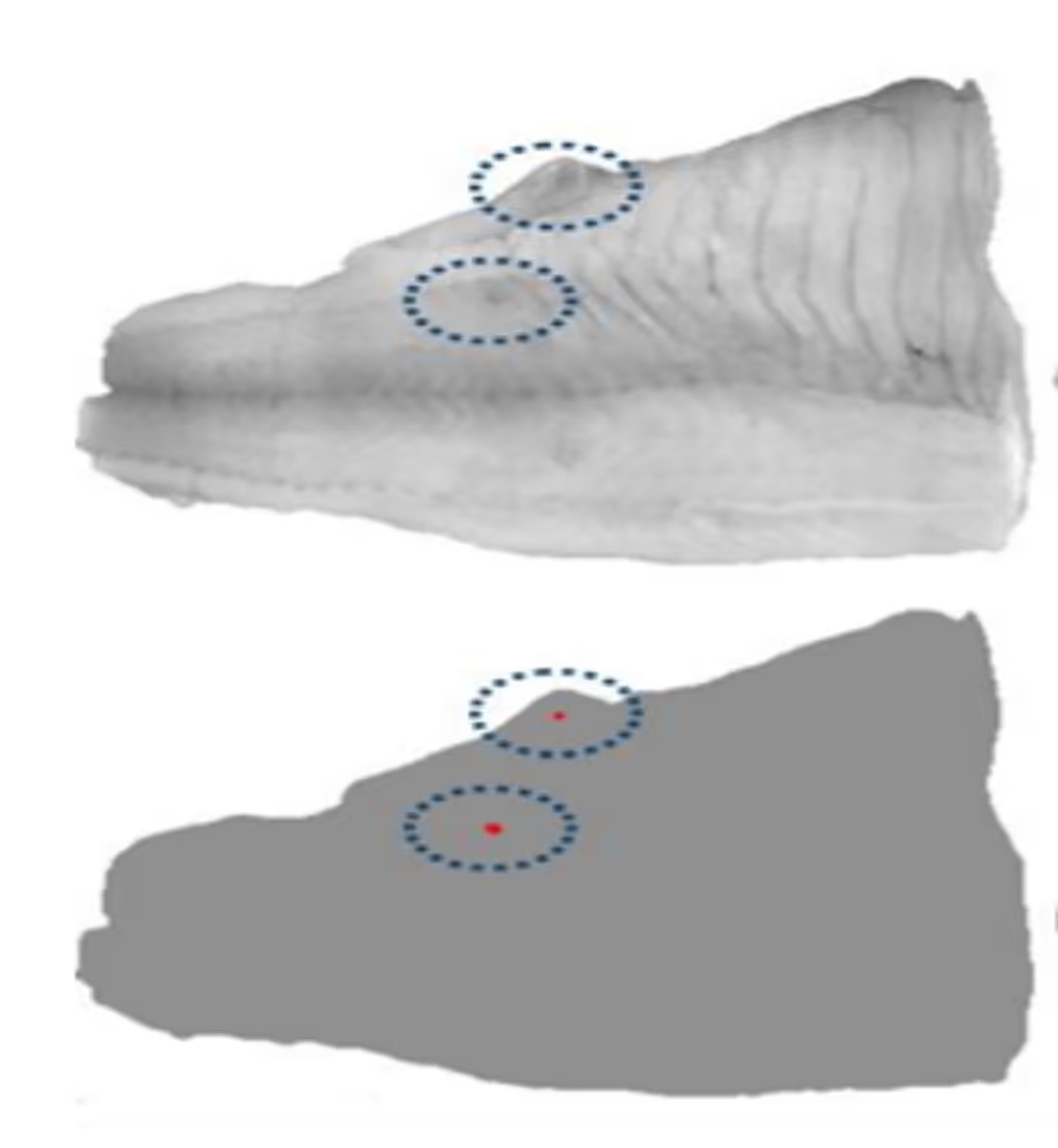
Parasitic infection of nematodes is a challenge to the whitefish industry as fish products with visible nematodes are not accepted for human consumption. The wormlike creatures are a cosmetic problem that can significantly affect fish acceptance and cause a general aversion against whitefish. The nematodes can also cause a health risk when eating fish that has not been frozen or adequately cooked. Today every single fillet is visually inspected by transillumination on candling tables and nematodes are removed manually. This is an expensive and time-consuming operation that can account for as much as half of the production cost for Atlantic/Pacific cod. The manual detection efficiency can be as low as 50% under industrial conditions and only 25% for fillets with skin. Nematodes embedded deeper than 4–6 mm are not detected by manual inspection.
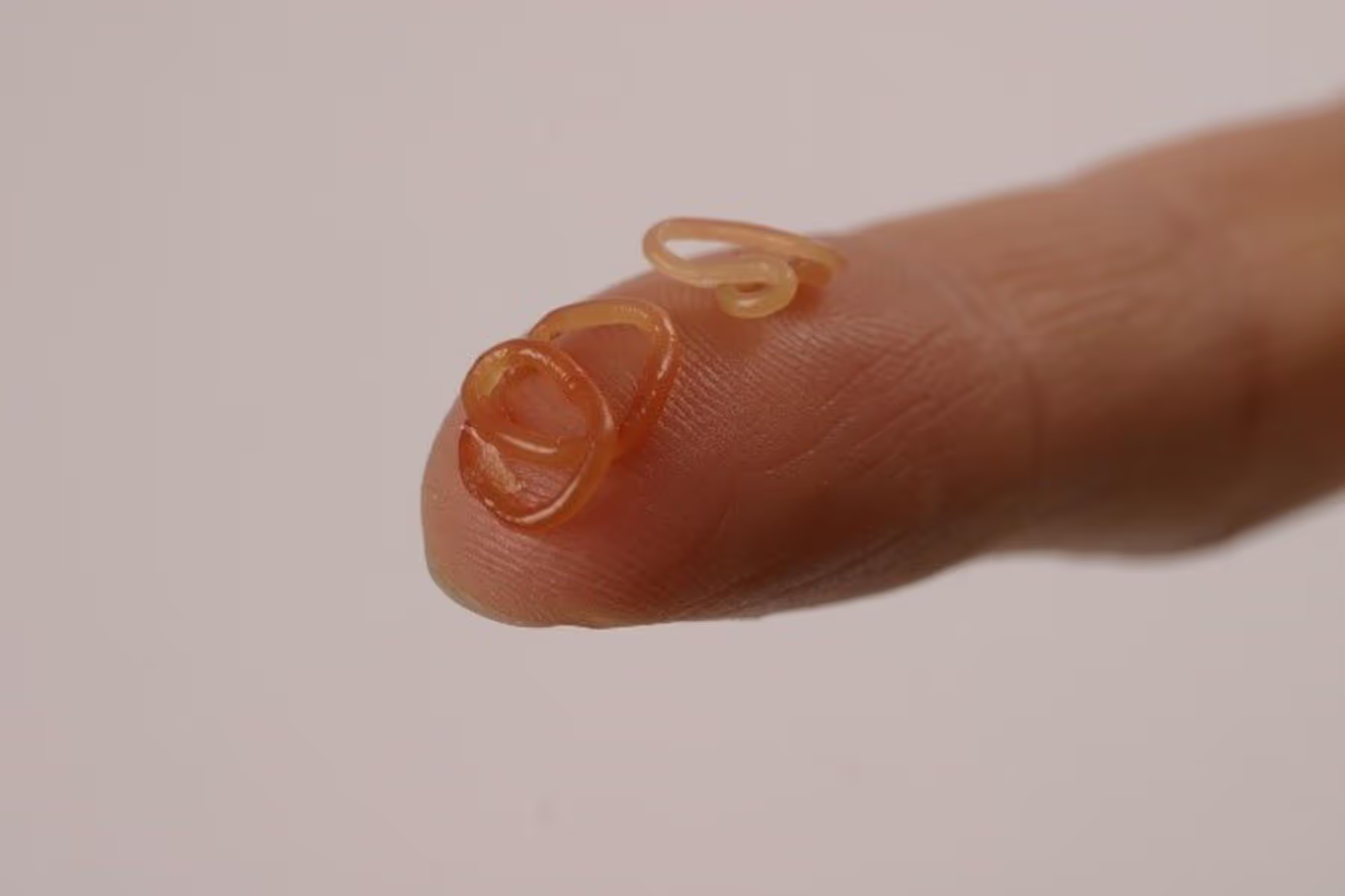
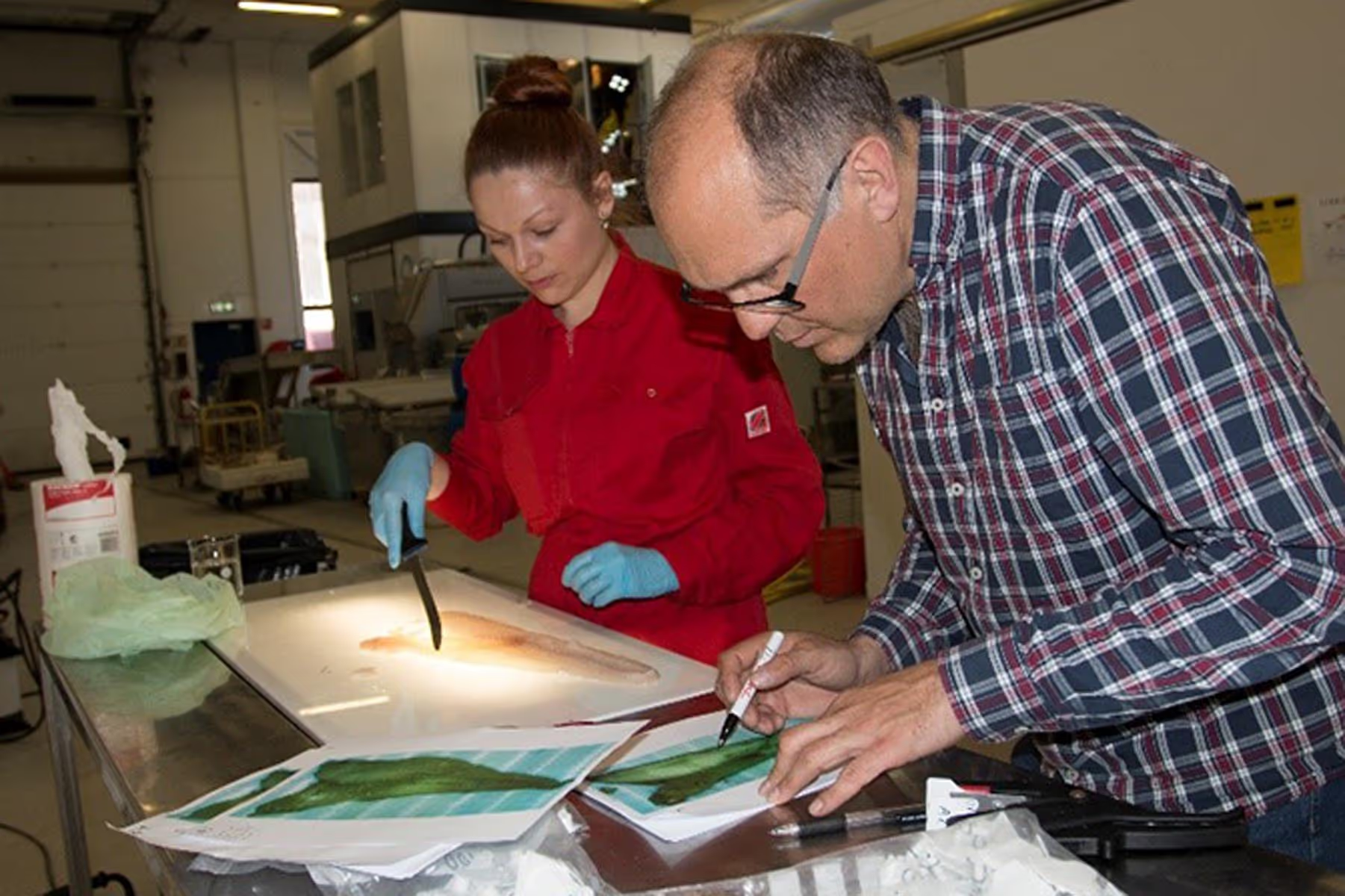
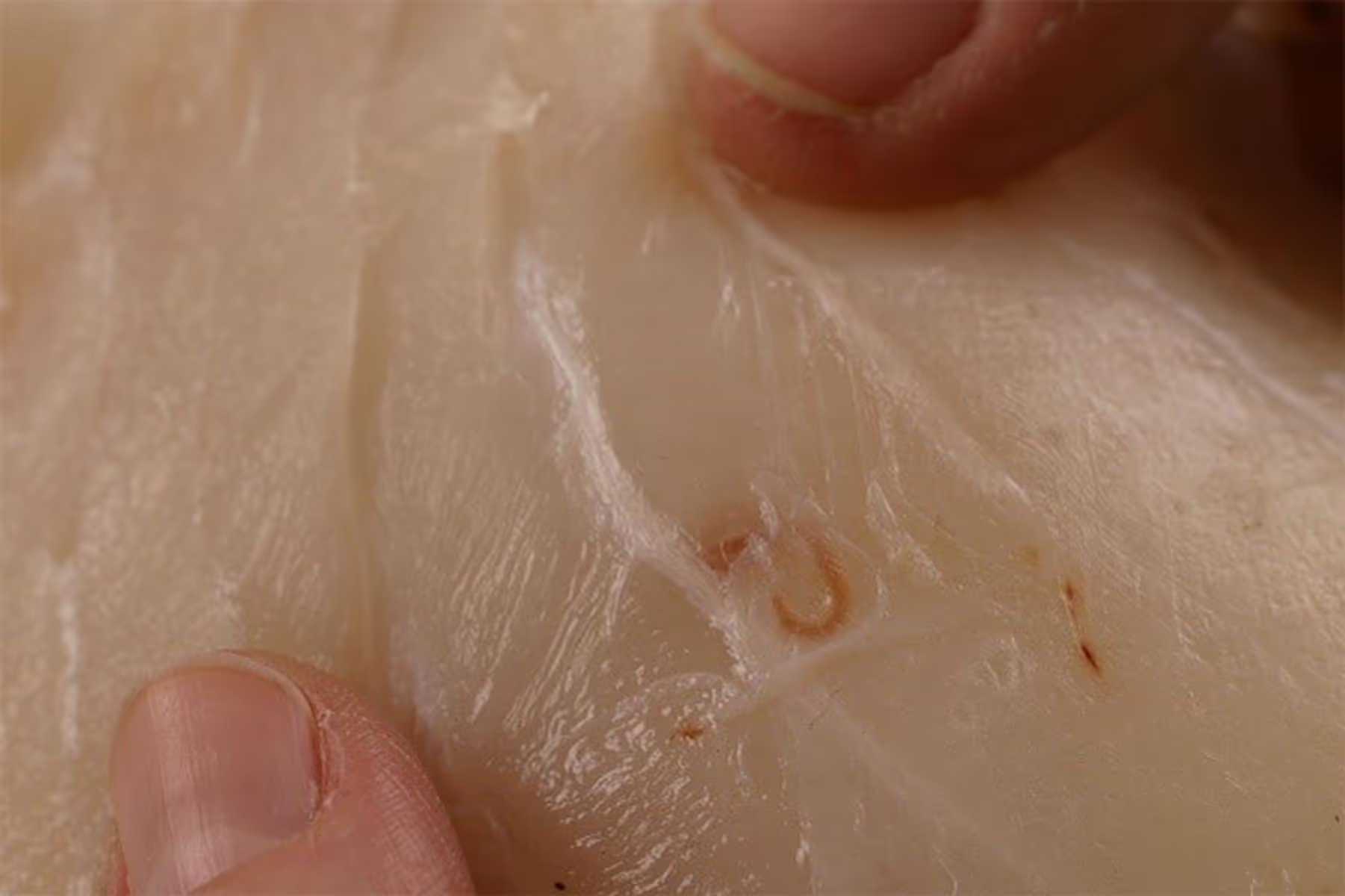
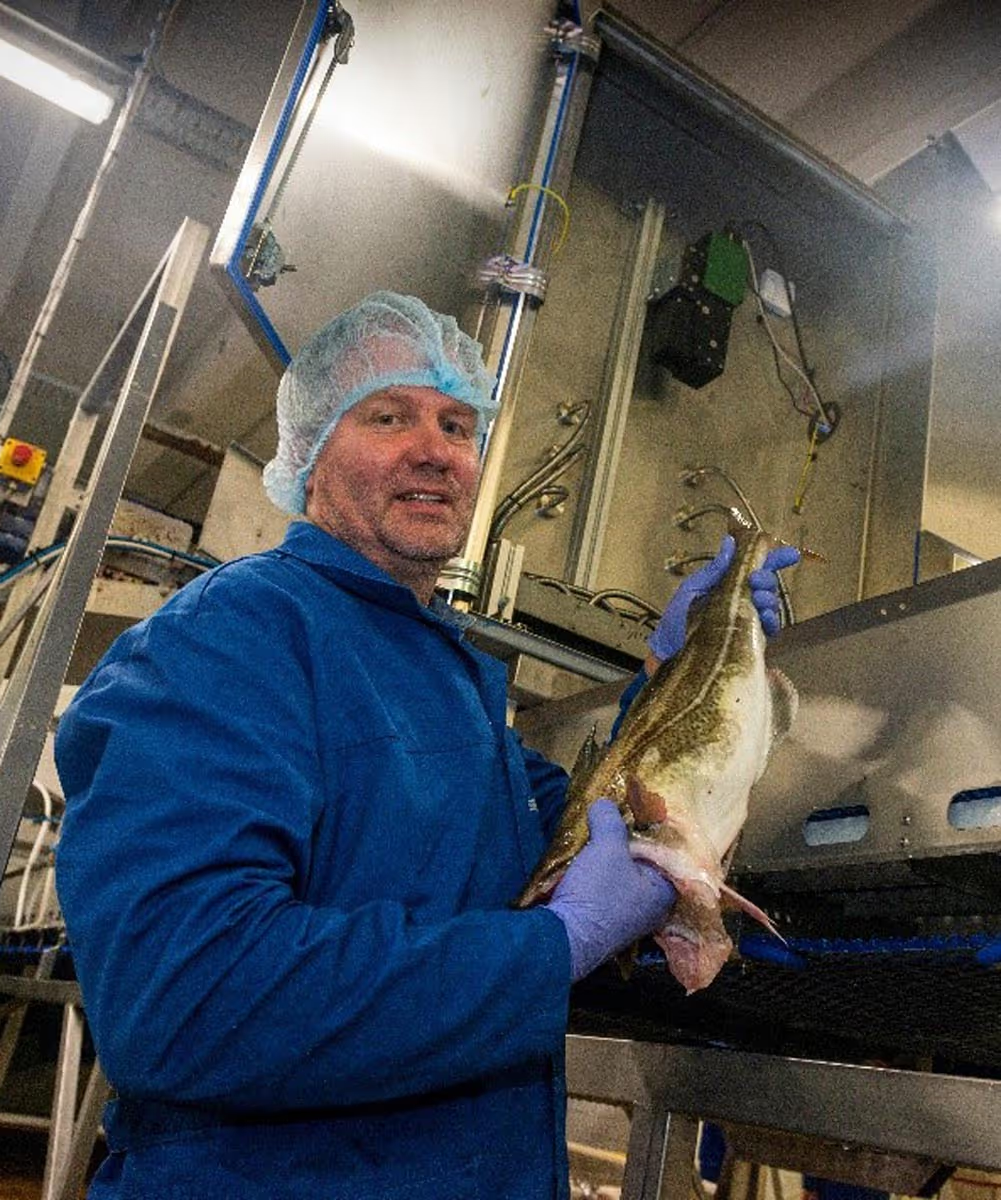
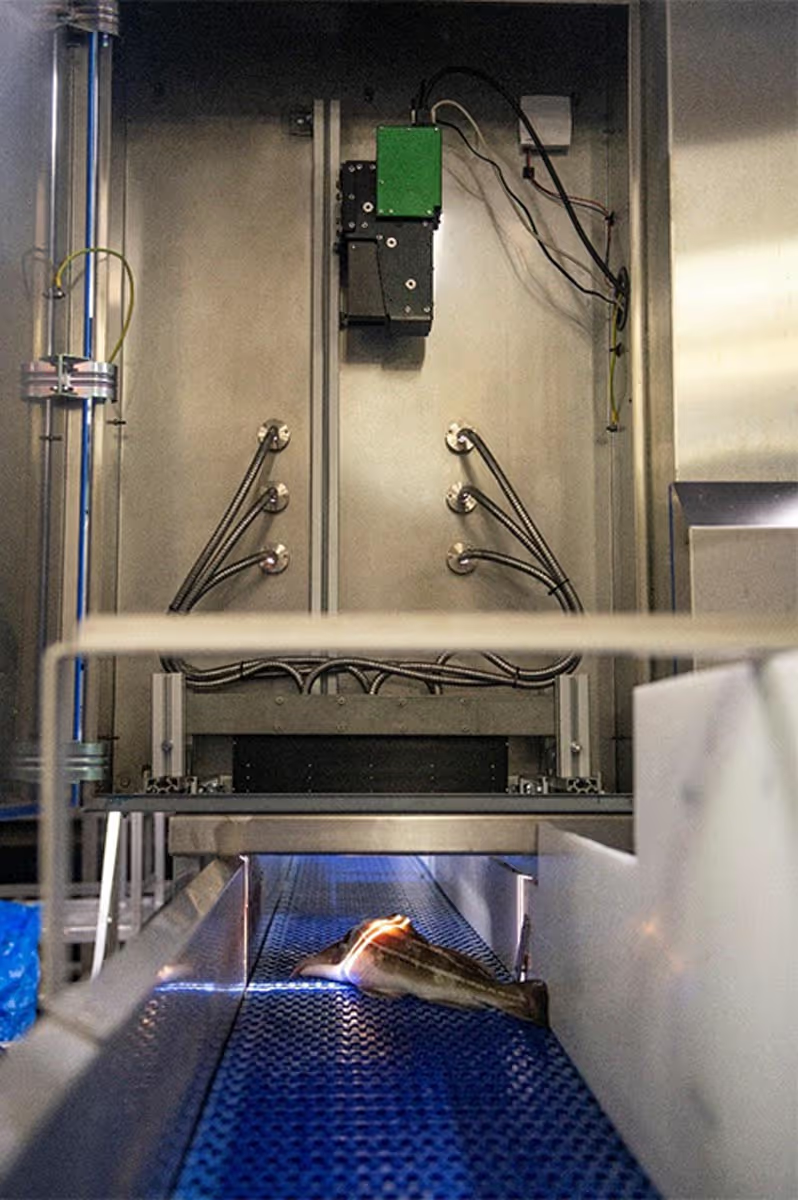
With the Baldur hyperspectral cameras from HySpex tailored for industrial applications, it is possible to automatically detect nematodes in cod fillets with a detection rate that is comparable or better to what is reported for manual inspection. The small size of the nematodes makes HySpex cameras ideal for this application with its high spatial resolution and image quality. The system can operate at a conveyor belt speed of 400 mm/s which meets the industrial requirement of assessing one fillet per second. This can reduce the workload for the trimmers significantly.
The reduced manual handling of the fish will also have a positive effect on the quality and shelf life of the products and there is a potential for a waste reduction due to more precise trimming. The system is under further development in a new research project where both speed, detection rate, and detection accuracy are expected to be improved.
.avif)
The Baldur family of hyperspectral cameras has been designed to operate in industrial environments in which high image quality and spectral fidelity are required. The cameras work in the 400 to 2500 nm spectral range and can be easily integrated into different sorting processes for real-time classification, identification, and quantification of a wide variety of materials. Contact us to discuss your application and requirements with our specialists.
**Reference; Automatic nematode detection in cod fillets (Gadus morhua L.) by hyperspectral imaging, A.H. Sivertsen, K. Heia, K. Hindberg, F. Godtliebsen. J. Food Eng. 111 (2012) 675–681