
Proven on Earth. Perfected for Space.
For institutional Earth observation missions, public authorities and commercial operators who require trustworth data - not just imagery.


Excellence across Lab, Field & Air - Ready for Orbit
For more than 25 years, HySpex instruments have defined the benchmark for hyperspectral imaging in laboratory, field, airborne, and research applications worldwide. With HySpex Space, this proven foundation is systematically extended to orbital Earth observation missions.
Rather than starting from clean‑sheet designs, HySpex Space instruments are built on well‑understood optical architectures, detector concepts, and calibration methodologies, enabling a controlled and low‑risk transition from Earth‑based platforms to space.
HySpex Space addresses missions where data credibility, calibration traceability, and long‑term stability are mission‑critical.
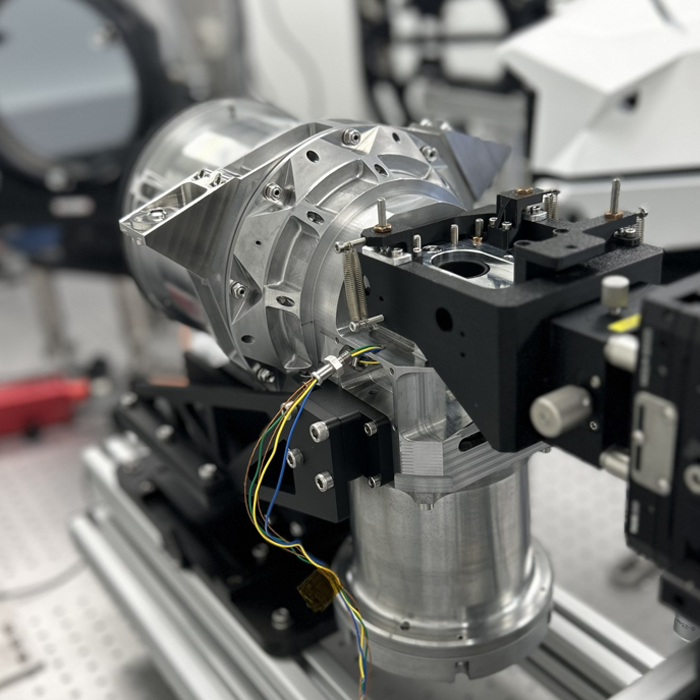
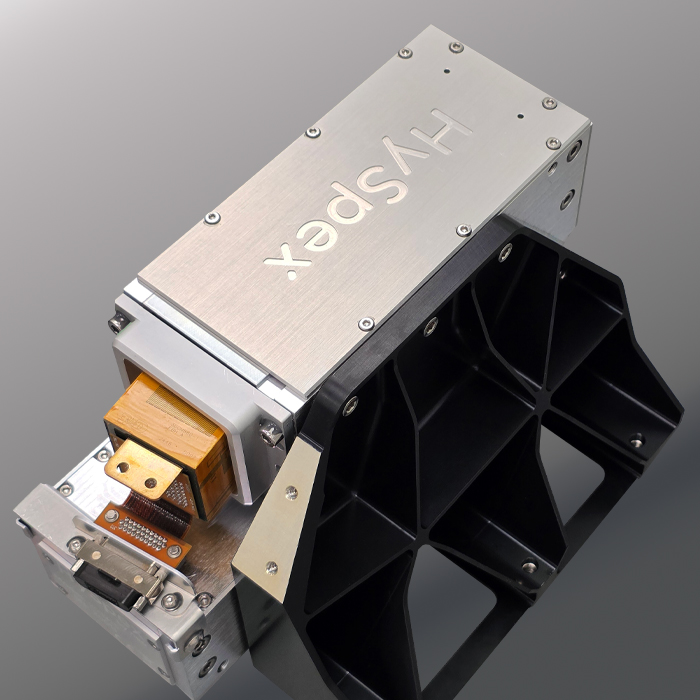
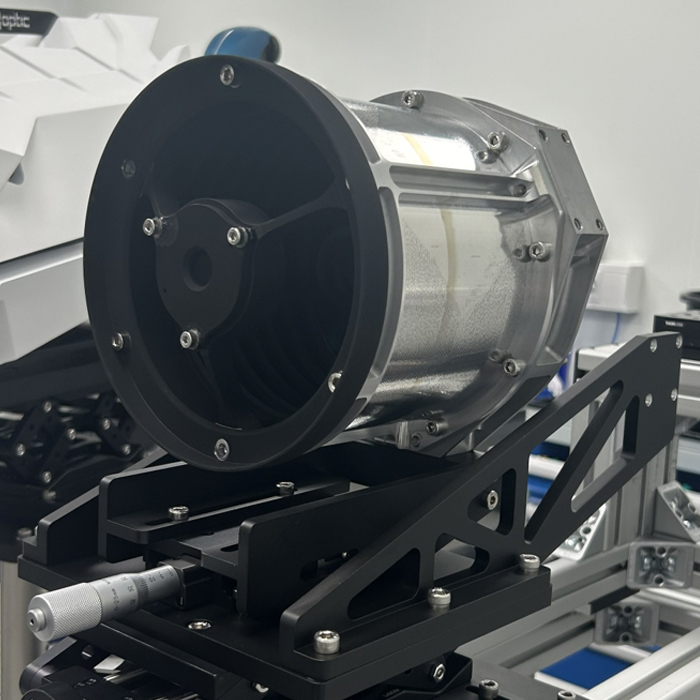
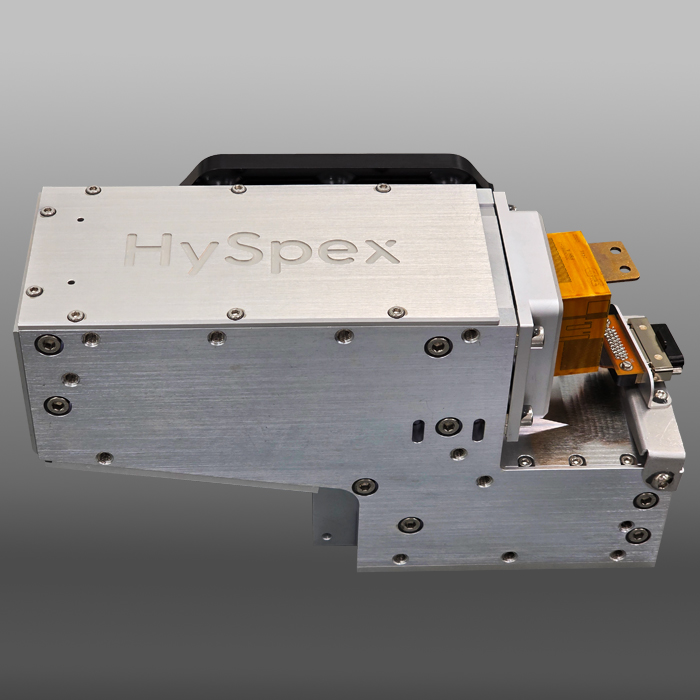
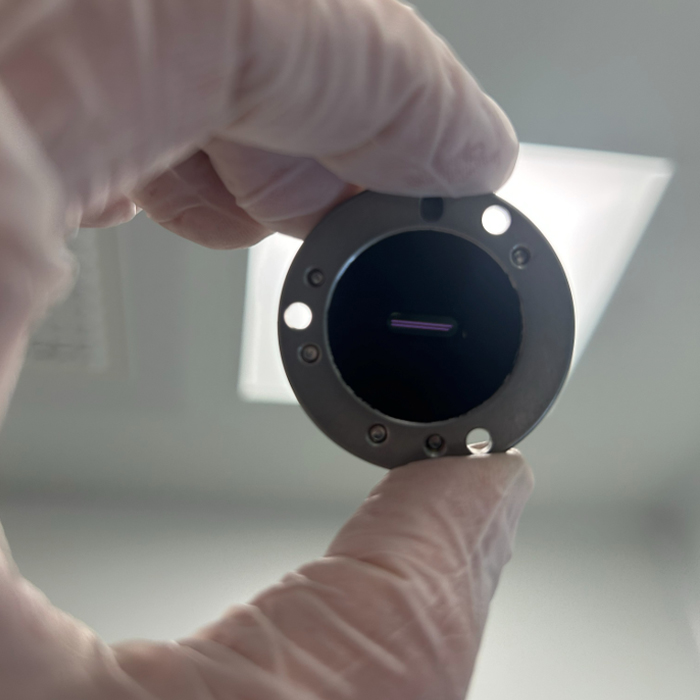
Space-Grade Hyperspectral Technology
- Pushbroom VNIR and SWIR hyperspectral architectures
- High spectral fidelity and radiometric stability
- Thermally stable, space-compatible optical designs
- Calibration-driven system engineering
- Architecture continuity from lab to orbit
HySpex space technology is developed to meet the requirements of both institutional science missions and commercial Earth observation platforms, where data quality and traceability are essential.
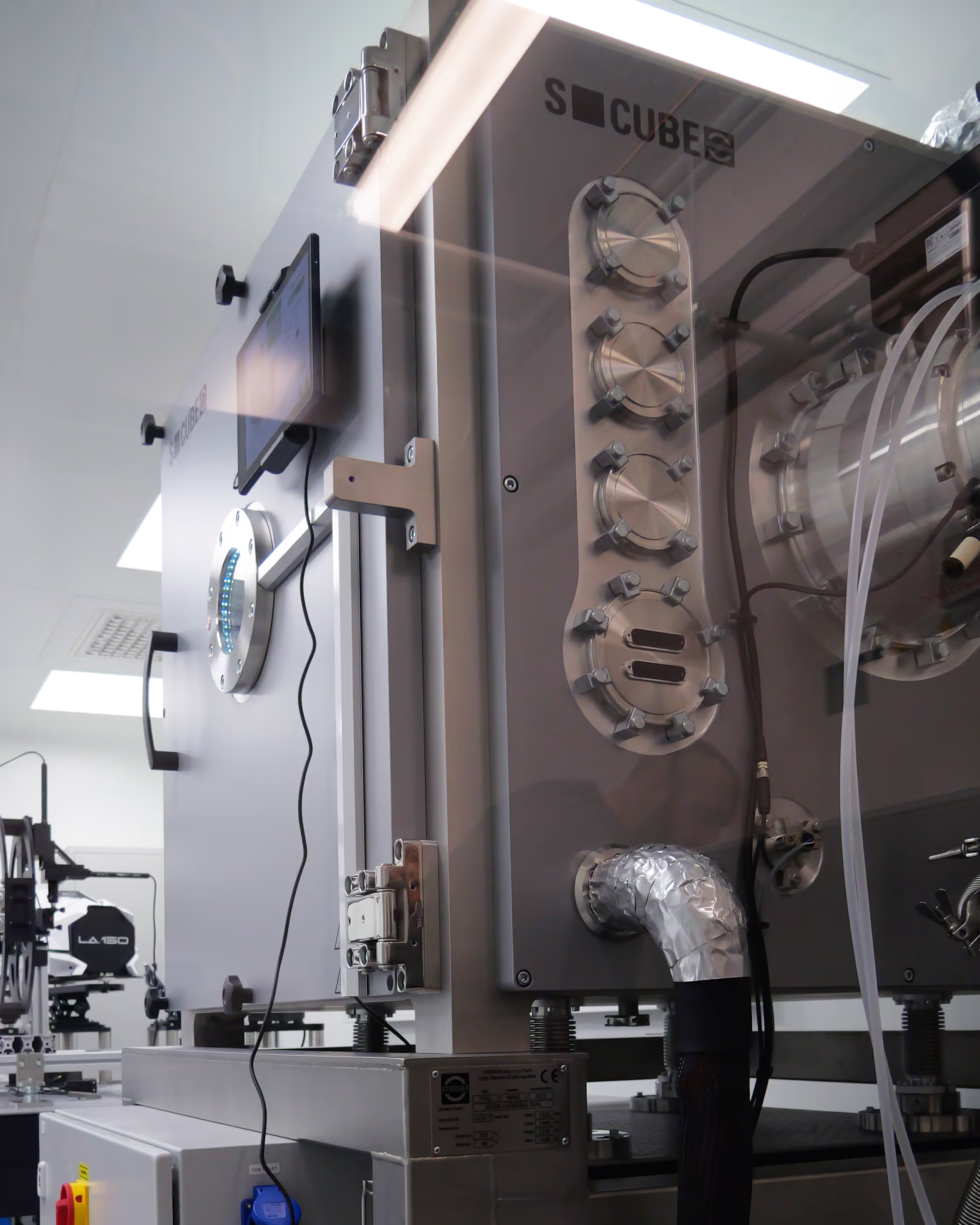
Engineering confidence is built on disciplined, ECSS‑aligned verification and decades of hyperspectral imaging experience in some of the most demanding environments.
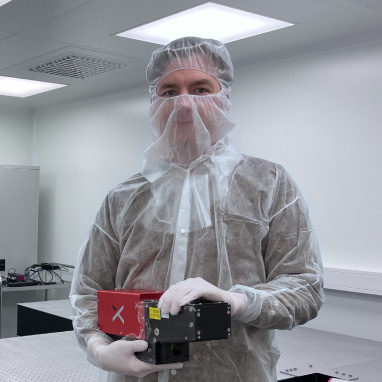
To support these objectives, we operate an ISO Class 7 cleanroom at our Oslo facility, equipped with a thermal vacuum chamber (TVAC).
Maintaining key capabilities in-house enhances development efficiency and flexibility, while our partnership-based approach ensures access to specialized test infrastructure.
For HySpex, verification and testing are not discrete milestones, but an integral part of the engineering process—refined over decades across multiple platforms. For our customers, this translates into a controlled and measurable reduction of mission risk prior to flight.
Application-Driven Sensor Design
HySpex Space follows an application‑driven design philosophy, defining instrument architectures by identifying the viable operating region between SSD, GSD, and SNR.
Designs that maximize individual parameters but fail at system level are deliberately avoided. Only configurations delivering stable, interpretable, and repeatable data products are pursued.
Reference Instrument Classes
The HyperNOR family represents validated operating points within the hyperspectral trade space. Each system illustrates a reference mission class, not a fixed catalogue product.
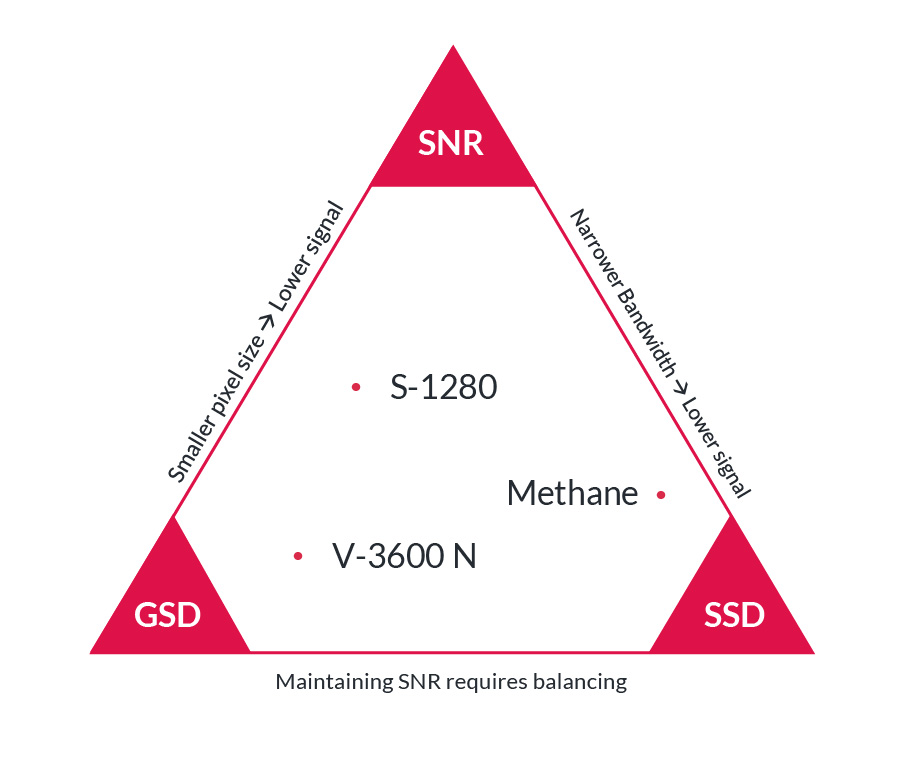
HyperNOR S-1280
GSD‑driven · SWIR
Surface materials & composition
HyperNOR V-3600 N
GSD‑driven · VNIR
Land, urban & infrastructure monitoring
HyperNOR Methane
SNR‑driven · SWIR
Methane & gas monitoring
HySpex as a Mission Partner
HySpex Space acts as a risk‑reducing instrument partner throughout the mission lifecycle — from early concept definition to operational exploitation.
Phase 0 / A Support
Mission feasibility studies, trade‑space evaluation, and definition of the optimal balance between SSD, GSD, and SNR.
Predictable Performance
Heritage‑driven architectures with well‑characterized behaviour and reduced development and validation risk.
Calibration-Driven Engineering
Calibration concepts treated as a system driver, enabling traceable and defensible data products.
Institutional Compatability
Payload design and development aligned with institutional procurement, verification, and mission assurance standards.
Pushbroom Architecture as a Mission Decision
HySpex Space instruments are based exclusively on pushbroom hyperspectral architectures, as they provide the only proven approach for achieving radiometrically consistent and quantitatively reliable hyperspectral images from orbit.
Simultaneous Spectral Acquisition
All spectral channels are acquired at the same time, avoiding temporal spectral mixing and correction artefacts.
Radiometric Stability
Superior signal‑to‑noise ratio and long‑term calibration stability, supporting quantitative retrieval over mission lifetime.
Quantitative EO Focus
Designed for scientific and operational Earth observation, not for visualisation or compactness‑driven concepts.
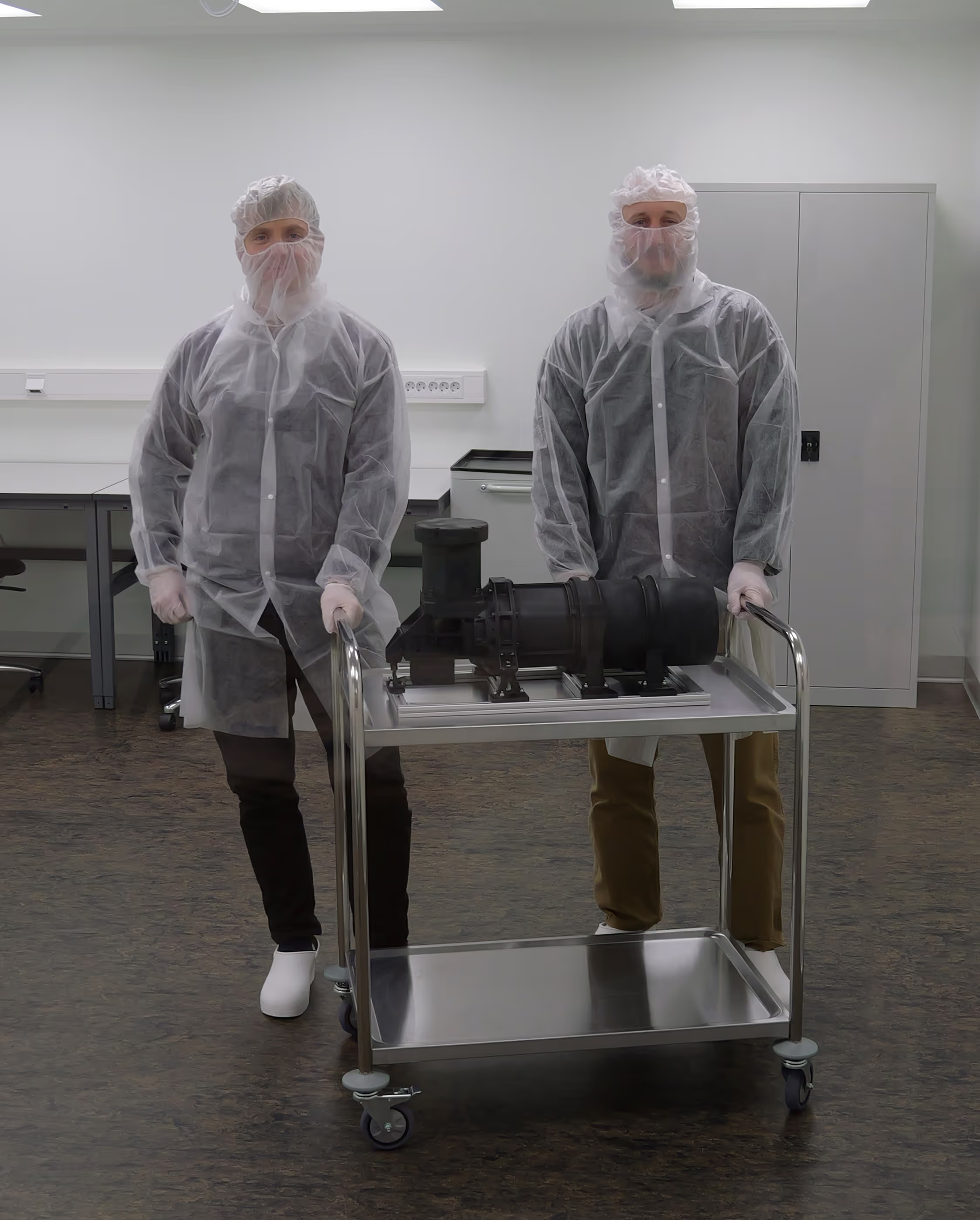
Built on Proven Hyperspectral Heritage
- 25+ years of hyperspectral instrument development
- Trusted by leading research institutions worldwide
- Experience across airborne, near‑space, and satellite programs
- European engineering and manufacturing excellence
This heritage provides a solid foundation for low‑risk space instrument development and long‑term mission support.
Institutional Heritage & Cooperation
HySpex hyperspectral technologies and calibration concepts are being matured, validated, and adapted for space through ongoing cooperation with institutional space programs and public research initiatives.
These activities ensure alignment with the technical, programmatic, and procurement requirements of long‑term Earth observation missions, while supporting progressive risk reduction from laboratory heritage to space application.
- European Space Agency (ESA) — Technology maturation and validation activities supported through General Support Technology Programme (GSTP) and InCubed.
- Norwegian Space Agency (NOSA) — National space technology development and hyperspectral competence building.
Read more about the HySpex MsC ESA InCubed project here.
References to institutional programs describe technology development, validation, and study activities. They do not imply endorsement, qualification, or procurement of commercial products.
Defining a Hyperspectral Mission or Payload Concept?
We support Phase 0/A studies, feasibility analysis, payload definition, and procurement preparation.
Space-related News
ESA InCubed Contract for Methane Detection
NEO set to develop a Hyperspectral Satellite Camera for Methane Detection, supported by the European Space Agency's InCubed program.
Read More
HySpex Demonstrates Capabilities in Stratospheric Flight
Sceye completes full diurnal flight in the stratosphere with two HySpex hyperspectral imagers on board.
Read More
HySpex Selected as Supplier for Hyperspectral Camera for In-Orbit Servicing Mission
HySpex is set to deliver a NIR imaging system for integration onto a commercial space platform.
Read More
HySpex for Microsatellites
NEO to launch a HySpex camera for microsatellites that surpasses the common limitations introduced by small satellite platforms.-
Read More