
ESA InCubed Contract for Methane Detection

[OSLO, Norway] - February 27, 2025
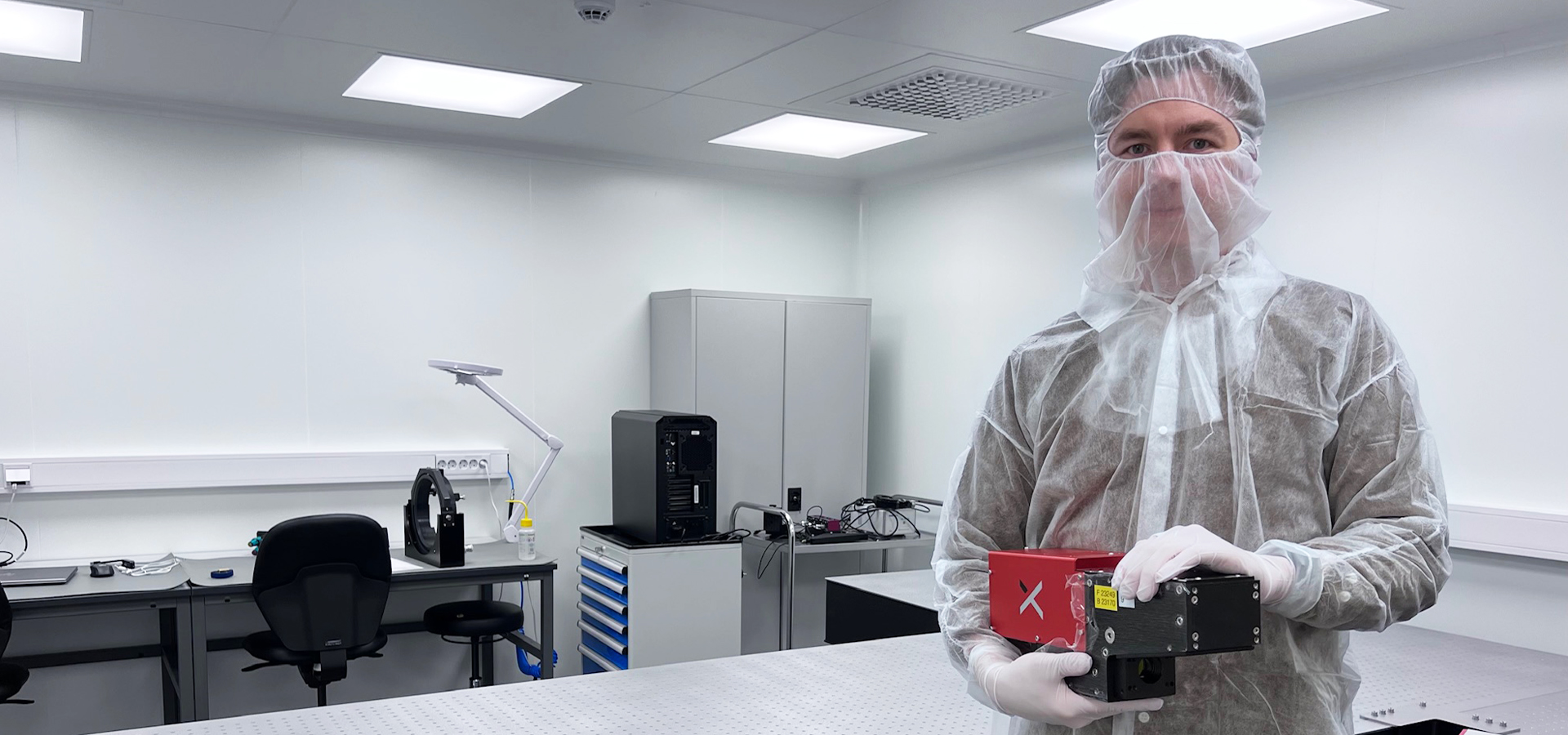
Norsk Elektro Optikk (NEO) has started to develop an advanced hyperspectral imaging system for satellite-based methane detection. This initiative, supported by European Space Agency's (ESA) InCubed program, aims to enhance global monitoring of methane emissions from Space. NEO already has similar systems from UAV and airborne platforms.
Addressing Methane Emissions from Space
Methane is a major contributor to climate change and there is increasing regulatory pressure for improved monitoring. Satellite-based hyperspectral imaging offers a precise and scalable solution, enabling industries to detect and mitigate emissions effectively. The new system will provide a commercially available tool for Earth observation services, expanding access to high-quality methane monitoring.
"Securing an ESA InCubed project is a major milestone for our company and a testament to the cutting-edge work being done by our SPACE department. This collaboration not only validates our technology but also accelerates our mission to drive innovation in the space sector. With ESA’s support, we are confident that we can push the boundaries of Earth observation and satellite technology, creating real impact for the industry and beyond." - Trond Løke, CEO at Norsk Elektro Optikk.
Innovative Features for Enhanced Detection
The camera incorporates key advancements, including:
- Optimized hyperspectral technology for improved detection capability
- A refined optical system for higher imaging precision
- Extended spectral range covering critical methane absorption bands
- Compact, lightweight design for seamless satellite integration
- Enhanced cooling mechanisms for stability in space
With funding from ESA, the project will progress through key design and testing phases over the next year. A commercial agreement for multiple flight models has already been proposed, signaling strong market interest.
Transforming Earth Observation
This initiative will make methane detection technology more widely accessible, offering an alternative to proprietary solutions. By opening the market to multiple operators, it is expected to play a significant role in environmental monitoring and commercial satellite services.
Ole Bjørn Eithun Pedersen, who will be managing the project, said the following: "Being the second most significant contributor to global warming, identifying and stopping methane emission has been recognized as one of the most effective ways of limiting further global warming. Using our existing HySpex SWIR cameras we have already proven that we can accurately identify methane emissions remotely. Now, building on our proven systems, we are developing a new and highly sensitive satellite camera optimized specifically for methane detection and quantification. Allowing for more accurate and reliable identification of methane emissions on a large scale."
About Norsk Elektro Optikk AS
Founded in 1985, NEO specialises in hyperspectral imaging solutions, serving industries such as defence, environmental science, and Earth observation. The company has a global presence and has delivered hundreds of advanced imaging systems worldwide.
About HySpex by NEO
With offices in Oslo (Norway), Clinton (US), and Berlin (Germany), HySpex is established as an industry-leading brand for both airborne and ground-based hyperspectral imaging. HySpex sensors are renowned for their stability, flexibility, and superior data quality. To learn more about HySpex, visit us online at https://www.hyspex.com/, or join us on LinkedIn, Instagram, Facebook, or X.